
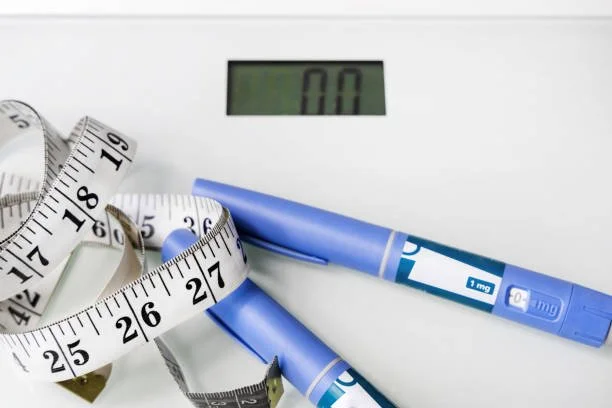
In a generation obsessed with quick results, weight loss has become something that people want to achieve as fast as possible. The popularity of medications like Ozempic and other glucagon-like peptide-1 (GLP-1) drugs has made weight loss quicker than ever.
According to ScienceDirect, while Ozempic is effective for weight loss, its role in long-term wellness remains a topic of concern. Although this medication can aid in managing weight, it should not be viewed as a substitute for the essential benefits derived from regular physical activity, a balanced diet, and sufficient sleep.
Beyond weight management, regular exercise improves cardiovascular health and sleep quality, strengthens muscles and bones, and supports mental well-being. According to the Centers for Disease Control and Prevention (CDC), the current Physical Activity Guidelines state that adults need at least 150 minutes of physical activity per week, with two days of muscle-strengthening activities.
This does not mean that taking medication is an inferior approach to weight management; instead, it highlights the importance of viewing weight loss as more than a quick fix. A study done by PubMed Central showed that people with all types of bodies are at risk of being judged for using GLP-1s for weight loss.
The study also documented health benefits of treating obesity with GLP-1s. It mimics a hormone responsible for blood regulation and appetite, helping people feel fuller for longer and reducing food intake. For people with type 2 diabetes, it also improves blood sugar control, which reduces the risk of cardiovascular and kidney problems.
However, these medications also have side affects. According to the WHO, common effects of these medications include nausea, vomiting, constipation, and diarrhea, serious complications including gallbladder problems and pancreatitis. These risks further highlight the reason it is prescribed and monitored only by healthcare professionals.
There is also the matter of long-term weight management as weight can be regained almost immediately after treatment stops. A study published in Diabetes, Obesity, and Metabolism by Healthy Weight Clinics, found that participants recovered almost two-thirds of their previous weight loss within a year of stopping semaglutide medications. This further shows that obesity requires consistent management and treatment should not simply stop at the initial weight loss phase.

Ozempic is neither a miracle solution, nor a simple shortcut. True wellness includes building sustainable habits that support your overall health in the long run, rather than focusing only on achieving a desired number on your scale. For people prescribed these medications, combining their treatment with balanced nutrition and consistent physical activity will help support overall health. It’s important to remember that weight loss should not come at the expense of adequate nutrition and physical health.
In the long run, however, conversations around weight loss needs to move beyond just quick results and unrealistic expectations. Media often celebrates dramatic transformations of celebrities, often overlooking the time, consistency, and patience that changes like this require.
So, instead of measuring progress solely through numbers, we can redefine success by focusing on how it makes us feel, the habits we maintain, and the energy we bring to our everyday lives. Consistent choices can make a big difference over time, with which you will be able to achieve your ideal body without giving up on your health.

“It's not about perfect. It's about effort. And when you bring that effort every single day, that's how change happens.” - Jillian Michaels
