
Can Lack of Sleep Affect Fitness Goals?
Very few things feel as refreshing as waking up after a full night’s sleep. Your body moves more easily, your mind feels sharper, and your energy seems ready to carry you through the day. It’s almost as if your body knows that it needs that rest to perform at its best.
But what happens when you don’t get enough sleep, especially when you’re chasing fitness goals? Is getting enough rest really enough to make your workouts more effective?
To answer this question, it’s important to understand that sleep is an equally important part of workouts, nutrition, and consistency, playing a major role in helping the body recover. According to PubMed Central, insufficient sleep can negatively impact metabolism, endocrine function, and athletic outcomes, contributing to slower reaction times, reduced accuracy, quicker exhaustion, impaired decision-making, and a greater risk of injury.
So, does lack of sleep affect your workout? The short answer is yes.
Even one night of insufficient sleep affects how your body recovers between sessions and the way you feel and perform during exercise, slowing strength gains, reducing endurance, and making workouts feel harder than they are.
However, this does not mean that you have to completely skip your workout after one bad night. Listen to your body by lowering the intensity, focusing on mobility, or choosing a lighter workout while you catch up on rest.
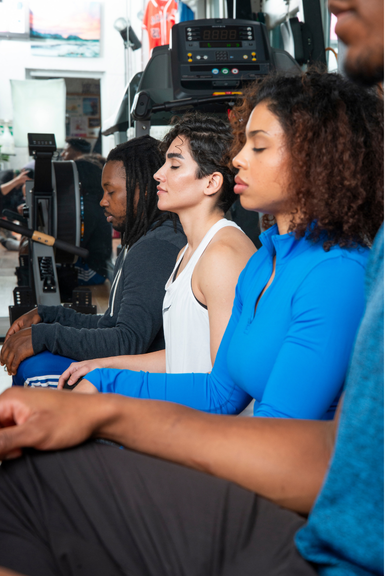
Sleep deprivation can also influence what happens outside the studio. It disrupts appetite regulation with the rise of ghrelin (the hunger hormone) levels and the fall of leptin (the satiety hormone) levels, driving cravings for high-carb, high-fat foods and making fat loss more difficult. Poor sleep also reduces insulin sensitivity and glucose control, stopping your body from burning fat effectively and reducing workout energy.
Due to this, your overall performance suffers too. Since one bad night lowers endurance and impairs coordination, it increases the risk of form breakdown and injury during complex lifts, agility drills, or fast-paced routines. It can also affect the quality of your training, making it harder to maintain the same pace or complete your planned routine, stay consistent, and reach the progress you are working towards.
So, what can you do? Start with the basics. To make the most out of your training, and the rest of your day, you should prioritize a consistent seven to nine hours of quality sleep, even on weekends. Try creating a relaxing bedtime routine and giving yourself enough time to wind down before bed.
Remember, sleep may not feel like part of your workout routine, but your body needs it to balance movement and recovery to perform at its best. You also need to stay hydrated, eat nutritious food, have rest days, and adjust your training when your body is tired.

At InsideOut Fitness Studio, we can help you find the right balance between challenging your body and giving it the recovery it needs to keep moving towards your goals
The bottom line is that getting enough sleep will not transform your fitness journey overnight, nor will it replace a good workout routine, balanced nutrition, or consistency. But it will help you get more out of them because your fitness journey is about how well you recover, adapt, and come back ready for the next session.
“Sleep is the golden chain that ties health and our bodies together.” – Thomas Dekker
